A beautiful sofa can catch the eye, but it cannot solve an awkward layout or make a renovated home feel like yours. Choosing an interior designer means finding someone who sees beyond individual pieces and understands how a space should support your life. The right designer listens carefully and turns your needs and ideas into one coherent whole.
Begin with the life you want to live
Before looking at portfolios, take a moment to look at your own routines. A home is a canvas for your life, not a showroom assembled for one photograph. Consider where mornings begin, how you spend evenings, whether you enjoy cooking for friends, work from home, need quiet retreat, or want your children to move freely through the space.
These details are the foundation of a meaningful brief. They reveal more than a preferred colour palette ever could. Someone who says they want a minimalist interior may actually be asking for less visual noise and better storage. A client drawn to warm, layered rooms may need a home that feels welcoming without becoming difficult to maintain. Good design finds the need beneath the first request.
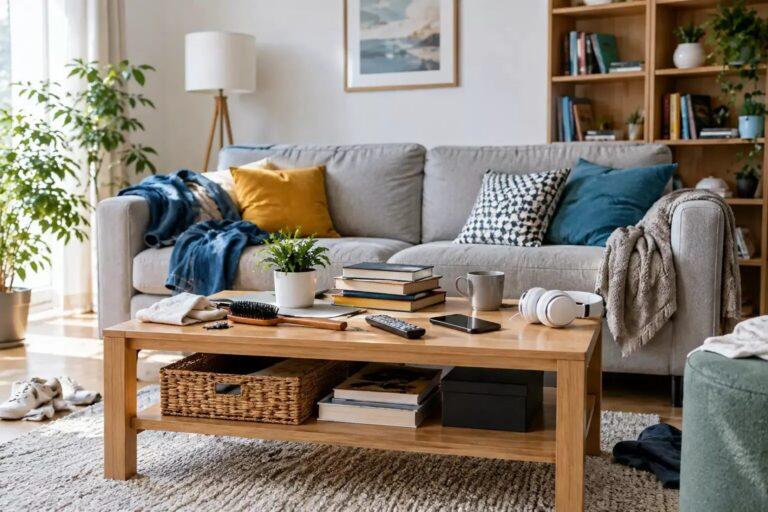
It also helps to be honest about what is not working. Perhaps your living room feels disconnected, your bedroom has become a place for unfolded laundry, or the layout of a commercial space does not make visitors feel confident on arrival. Friction is useful information. It gives an interior designer something tangible to improve.
Choosing an interior designer starts with listening
The first conversation should feel less like a sales presentation and more like an attentive exchange. A designer does not need to share every one of your personal tastes, but they do need to understand your priorities, lifestyle, practical constraints and ambitions for the space.
Notice the quality of their questions. Do they ask how you use the room at different times of day? Do they explore who will use it, what must be retained and what you would like to feel when you enter? Are they curious about the building itself, including light, proportions and existing architectural character? These are signs of someone designing with you rather than applying a recognisable formula to your home.
You should also feel able to discuss reservations. Perhaps you love strong colour but worry you will tire of it. Perhaps you want a luxurious result while keeping existing furniture with sentimental value. A thoughtful designer will not dismiss these tensions. They will use them to create a more personal and lasting concept.
Look beyond a recognisable style
A portfolio matters, but it should be read with care. It can show a designer's eye for proportion, materials, composition and detail. Yet the most impressive work is not always the room that looks most dramatic. Look for evidence that each project has its own character and responds to the people or organisation using it.
Ask yourself whether the spaces feel resolved. Is there a relationship between the flooring, lighting, joinery, furniture and finishing touches? Does the layout appear easy to live with? Are practical elements such as storage, circulation and acoustics considered rather than hidden behind styling?
A consistent visual signature can be reassuring, especially if it aligns with your own preferences. But a designer should be adaptable enough to interpret your story, not recreate their last project in your rooms. Timelessness rarely comes from avoiding personality. It comes from making choices with enough depth and purpose to remain satisfying once short-lived trends have passed.
Be clear about scope, budget and decision-making
Interior design can range from a focused room consultation to a complete renovation, including layout planning, finishes, furniture, bespoke elements, lighting and final styling. Neither approach is inherently better. The right scope depends on the complexity of the project and the level of support you need.
A clear discussion of budget is an act of trust, not a limitation on creativity. Without it, a concept may look compelling on paper but become difficult to realise. With it, your designer can make intelligent choices about where to invest, where to simplify and what will have the greatest effect on everyday comfort.
Ask how fees are structured, what the design service includes and which costs sit outside it. Clarify whether the designer will assist with sourcing, liaise with tradespeople, review samples, manage orders or be present during installation. A detailed proposal should give you a clear picture of responsibilities, timings and likely decision points.
It is equally useful to establish how you would like to collaborate. Some clients want close involvement in every finish and fabric; others prefer a carefully edited selection with expert guidance. There is room for both approaches, provided expectations are shared from the outset. The best process gives you confidence without asking you to carry the entire burden of hundreds of small choices.
Ask how the concept becomes a finished space
A beautiful concept is only the beginning. The value of a professional interior designer often becomes most visible in the translation from ideas to reality. Materials have lead times, colours alter in different light and dimensions that look generous on a plan can feel very different once furniture arrives.
Ask about the stages of the process. You may begin with discovery and inspiration, then move into a spatial concept, material and furniture selections, technical detailing and final styling. A designer should be able to explain how feedback is gathered and how decisions are documented, so the project continues with clarity rather than momentum alone.
Samples are particularly valuable. Timber, stone, paint, upholstery and metal finishes should be considered together, in the actual light of the space wherever possible. The same is true of lighting. A well-planned scheme does more than brighten a room: it supports tasks, softens the evening atmosphere and gives texture and artwork their proper presence.
For a renovation, practical coordination is essential. Designers need not always be project managers, but they should understand how their work relates to builders, electricians, kitchen specialists and other professionals. Clear drawings, considered specifications and timely decisions prevent costly improvisation later on.
Match the expertise to the type of space
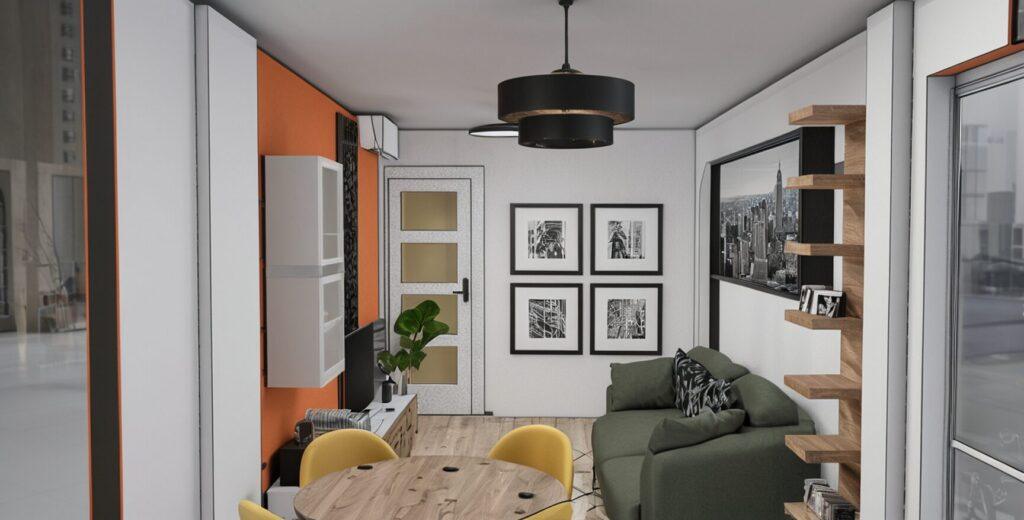
Residential and commercial interiors ask different questions, even when both need warmth, functionality and a strong sense of identity. In a home, the focus may be on family routines, personal collections, comfort and longevity. In a flat, every centimetre may need to work harder, from concealed storage to flexible dining and work areas.
For a business, the space must also communicate outwardly. A client-facing environment influences first impressions before anyone speaks. A workplace affects concentration, wellbeing, informal collaboration and the way a brand is experienced by employees and visitors. Choose a designer who understands the particular demands of your project rather than treating a café, office or home as interchangeable backdrops.
At NederVal Design & Comfort, this distinction begins with the same principle: listening carefully to the people who will inhabit the space. The design then develops around practical flow, emotional connection and a refined, cohesive result, from the first concept to the final decorative layer.
Pay attention to the working relationship
An interior project can involve personal decisions, significant investment and periods of uncertainty. You may need to make choices before you can fully picture the outcome. That is why rapport is not a soft extra; it is part of the practical foundation of the work.
Look for calm professionalism and transparent communication. The right designer can explain the reasoning behind a recommendation without becoming defensive, and can challenge an idea respectfully when it may compromise the result. You should feel heard, but also guided by someone with the confidence to bring order to competing possibilities.
References and testimonials can offer useful perspective, particularly when they mention reliability, responsiveness and how clients felt throughout the process. Still, trust your own response to the consultation. Do you leave with greater clarity? Can you imagine sharing honest feedback? Does the designer make the project feel exciting without making it feel vague? Those instincts matter.
The most rewarding interiors do not announce the designer louder than the people who live or work there. They make daily life feel easier, more beautiful and more considered. Choose the professional who sees your space not as a collection of rooms to decorate, but as the setting for the life and stories still waiting to unfold. You'll make a plan together in order to make the magic happens.