A modular sofa promises flexibility, but that is no guarantee of quality. This review looks past the showroom appeal at what counts in daily use: proportions, seat construction, upholstery and layout. Done well, a modular sofa gives real comfort and a flexible layout; done badly, it stays a large object taking up space.
Modular sofa review: comfort that fits your life
A sofa is often chosen from a showroom photo, and then has to carry the weight of daily life: quiet mornings, children turning it into a den, long conversations, family visits and that one afternoon when doing nothing is exactly what the room needs. This modular sofa review looks beyond the attractive idea of movable elements and examines whether a modular design actually suits the way you live.
For many homes the answer is yes. A well-chosen modular sofa can provide generous comfort, a flexible layout and a more relaxed flow in a room. But flexibility alone is no mark of quality. The proportions, seat construction, fabric, configuration and relationship with the rest of the interior together decide whether the sofa becomes a lasting part of your home, or just a large object taking up space.
What a modular sofa changes in a room
Unlike a fixed three-seater or corner sofa, a modular sofa is built from separate elements. Think of middle seats, corner units, chaise longue sections, footstools and armrests. The parts join together into one whole, but can often be rearranged when your room, household or needs change.
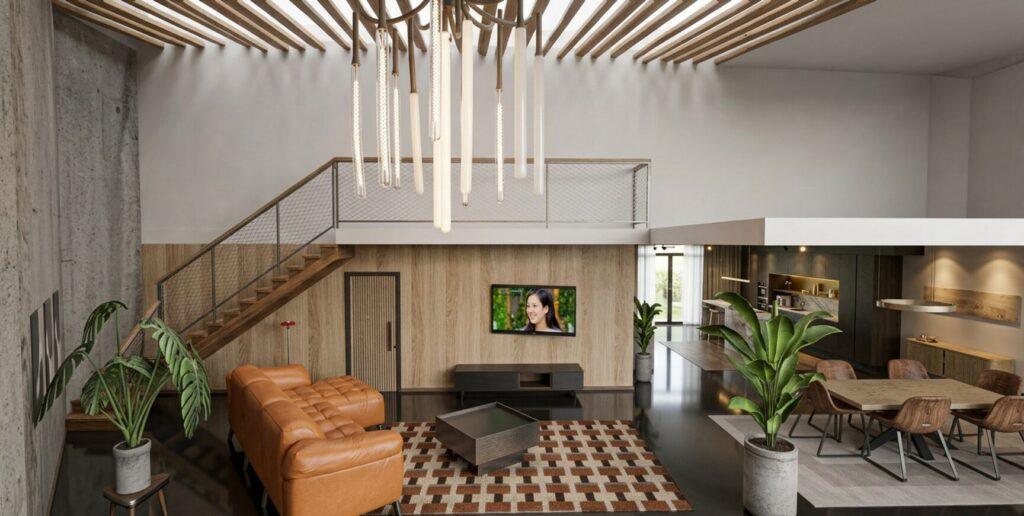
That versatility is especially valuable in homes where one room plays several roles. A living room can be a place to read and receive guests, but also a family room, home cinema and occasional guest bed. In a larger open space, a modular sofa can help define the seating area without drawing a hard visual line through the room. The back can subtly shape the route between kitchen, dining table and seating area, creating order without losing openness.
In a flat or more compact home, modularity can be useful for another reason. Separate elements are often easier to get through a narrow hallway, stairwell or lift than one large sofa frame. Still, a modular sofa is not automatically the better solution for a small room. Deep seats and wide armrests can take up more floor space than expected. The design still has to leave enough breathing room.
Modular sofa review: comfort before configuration
The most impressive configuration on paper has little value if the sofa does not invite you to stay seated for hours. Comfort is personal, and that is where a considered assessment begins.
Start with seat depth. A deep, lounge-like seat can feel wonderfully generous, especially in a room set up for informal evenings and relaxed family time. For someone who prefers an upright posture, has shorter legs or often uses the room for conversation, it can be less comfortable. A shallower seat, often around 55 to 60 centimetres of usable depth, usually offers more support. A deeper seat can work beautifully when loose back cushions allow adjustment, but do test whether those cushions keep their shape instead of needing constant plumping.
Seat height deserves the same attention. A low-slung sofa creates a contemporary, grounded feel and can make a room with a high ceiling feel calmer. Getting up from a low, soft seat is not equally easy for everyone, though. For a household of different ages, a slightly higher and firmer seat can be the more considerate choice.
Then think about the filling. Foam cushions usually offer a crisper silhouette and more consistent support. Feather or down blends feel softer and more luxurious, but need regular plumping. Quality combinations can balance both: a supportive foam core with a softer top layer. There is no universal winner. The right choice depends on whether you value a tailored look, a sink-in feel or low-maintenance comfort most.
Measure the flow, not just the wall
A common mistake is measuring the wall the sofa will stand against, and stopping there. A modular sofa should be seen as part of the movement and visual balance in the room.
Mark the full outline on the floor with masking tape or newspaper. Include the chaise longue, any footstool and the space to walk around it. Aim for a clear passage of about 75 to 90 centimetres where people need to pass comfortably. If the sofa faces a television, look at both the viewing distance and whether the arrangement still allows conversation without everyone having to turn in one direction.
A sofa placed against every available wall can make a room feel overfull, even if it technically fits. Sometimes one module fewer gives more comfort than adding an extra seat. A sofa on legs also shows more of the floor, making a compact room feel lighter. A low, fully upholstered base, on the other hand, can give a spacious room a reassuring sense of weight and intimacy.
In open-plan interiors it is important to look at the sofa from every angle. The back stays visible, so the upholstery, stitching and overall finish should feel as considered as the front. At that point a sofa becomes more than furniture. It becomes an architectural element within the room.
Choose a layout for the life you have now
A chaise longue is excellent for putting your feet up, but it can take up a valuable corner and limit access from one side. A corner arrangement brings people together and can be ideal for family film nights. A sofa with a separate footstool offers more freedom: it can serve as a footrest, extra seat, temporary coffee table with a tray, or simply be moved aside when guests come.
Think honestly about how the room is actually used most weeks, not just during an imagined gathering. If you mostly read alone, usually have two friends over at a time and need a clear route to the garden, a huge U-shaped arrangement may be unnecessary. If your household regularly gathers in one room, however, a generous modular composition can make time together feel effortless rather than improvised.
Fabric, colour and the reality of daily use
The upholstery defines much of a sofa's character, but it also has to withstand what is asked of it every day. A light bouclé fabric can bring softness and texture to a calm, layered interior. For a home with a dog that loves muddy walks, or young children with felt-tip pens, it may be less suitable. Performance fabrics, tightly woven wool blends and certain easy-clean textiles offer more resilience without making the room feel clinical.
Ask for a substantial fabric sample and live with it for a few days. Look at it in morning light, evening lamplight and next to your floor, curtains and wall colour. A grey that looks refined under showroom lighting can come across as cool and flat in a north-facing room. A warmer neutral, muted olive, tobacco brown or soft clay tone can add more depth while staying timeless.
Removable covers are attractive, especially for family homes, but check what “removable” means exactly. Some covers can only be cleaned professionally, and frequent washing can affect fit or colour. Conversely, a sofa with a fixed cover in a durable, forgiving fabric can be easier to live with than a fully removable but delicate alternative.
Look under the cushions
A modular sofa should be judged as a long-term investment, not just a visual purchase. Look at the frame, the springs and the connections between the modules. Frames of hardwood or responsibly sourced timber, sturdy corner blocks and durable webbing or springs form the basis for lasting performance. The modules should connect firmly, without drifting apart or forming awkward gaps.
Also pay attention to back height and armrest shape. Slim armrests maximise the number of seats in a smaller footprint, while wide armrests offer a place to put down a book or cup. High backs give support, but can be visually dominant in a room. Lower backs keep sightlines open, especially in front of windows, although they may feel less supportive for long sitting.
It is also wise to ask about replacement cushions, extra modules and delivery times. The promise of a sofa that can grow with you is strongest when the manufacturer can still supply matching elements later. If a collection is likely to be discontinued soon, the flexibility may be more limited than it first appears.
Create a composition, not a showroom display
A modular sofa is substantial, so the surrounding elements need a considered relationship with it. A rug should be large enough to sit under the front legs of the sofa and extend into the seating area, rather than floating like a small island in the middle. A coffee table needs enough room to move around, usually about 40 to 45 centimetres from the edge of the seat, while staying close enough to be useful.
Balance the scale of the sofa with lighting, artworks and softer layers. A floor lamp behind a chaise longue can create a reading corner; a side table next to each usable seat keeps the arrangement from feeling incomplete. Cushions and throws can add personality, but should not compensate for a sofa that has the wrong size, height or level of comfort.
At NederVal Design & Comfort the strongest choices start with listening. A sofa is never seen in isolation, because your home is a canvas for your life: the routines, the gatherings, the moments of rest and the ambitions. When a modular design is chosen in response to those details, it can bring both flexibility and a sense of calm that feels entirely your own.
Before you decide, sit in the configuration for longer than a few minutes, measure the walking routes around it and picture an ordinary Tuesday evening rather than a perfect showroom scene. The right modular sofa will not demand that your life adapts to it. It will make daily life feel more comfortable, more coherent and quietly more welcoming.